Medical Gastroenterologist in Ayapakkam – What Do We Do?
At Sri Ambal Health Care, our Medical Gastroenterology Department is led by skilled medical gastroenterologists in Ayapakkam, offering comprehensive care for disorders of the digestive system.
From acid reflux, gastritis, and constipation to complex conditions like liver cirrhosis, pancreatitis, and inflammatory bowel disease (IBD), our experts provide accurate diagnosis and non-surgical treatment. With a focus on digestive health and patient comfort, we deliver advanced, personalized care for a wide range of gastrointestinal concerns.
Diagnosis and Evaluation:
Taking detailed medical histories and conducting physical examinations.
Ordering and interpreting diagnostic tests such as blood tests, stool tests, imaging studies (e.g., CT scans, MRIs, ultrasounds), and endoscopic procedures (e.g., colonoscopy, upper endoscopy).
Endoscopic Procedures:
Performing diagnostic and therapeutic endoscopic procedures to visualize and treat problems within the GI tract.
Examples include upper endoscopy (esophagogastroduodenoscopy), colonoscopy, sigmoidoscopy, and endoscopic retrograde cholangiopancreatography (ERCP).
Management of Chronic Conditions:
Developing and implementing treatment plans for chronic GI conditions such as inflammatory bowel disease (Crohn's disease and ulcerative colitis), irritable bowel syndrome (IBS), celiac disease, and gastroesophageal reflux disease (GERD).
Providing ongoing care and monitoring to manage symptoms and prevent complications.
Treatment of Acute GI Conditions:
Addressing acute issues like gastrointestinal bleeding, pancreatitis, liver failure, and infections of the GI tract.
Providing interventions such as medication, dietary changes, or emergency procedures as needed.
Preventive Care and Screening:
Recommending and performing routine screenings such as colonoscopy for colorectal cancer prevention.
Advising patients on lifestyle modifications to prevent GI diseases, such as dietary changes, smoking cessation, and alcohol moderation.
Patient Education and Counseling:
Educating patients and their families about GI conditions, treatment options, and preventive measures.
Providing support and resources for managing chronic GI conditions and improving quality of life.
Gastroesophageal Reflux Disease (GERD):
Managing symptoms of acid reflux and preventing complications such as esophagitis and Barrett's esophagus.
Peptic Ulcer Disease:
Treating ulcers in the stomach and duodenum caused by H. pylori infection or use of nonsteroidal anti-inflammatory drugs (NSAIDs).
Inflammatory Bowel Disease (IBD):
Diagnosing and managing Crohn's disease and ulcerative colitis, chronic conditions characterized by inflammation of the GI tract.
Irritable Bowel Syndrome (IBS):
Addressing symptoms such as abdominal pain, bloating, and altered bowel habits through dietary changes, medications, and other therapies.
Celiac Disease:
Diagnosing and managing this autoimmune disorder triggered by gluten consumption.
Liver Diseases:
Treating conditions such as hepatitis, fatty liver disease, cirrhosis, and liver cancer.
Performing procedures such as liver biopsy and managing complications of liver disease.
Pancreatic Disorders:
Managing acute and chronic pancreatitis, pancreatic cysts, and pancreatic cancer.
Gallbladder and Biliary Tract Diseases:
Treating gallstones, cholecystitis, and bile duct obstructions.
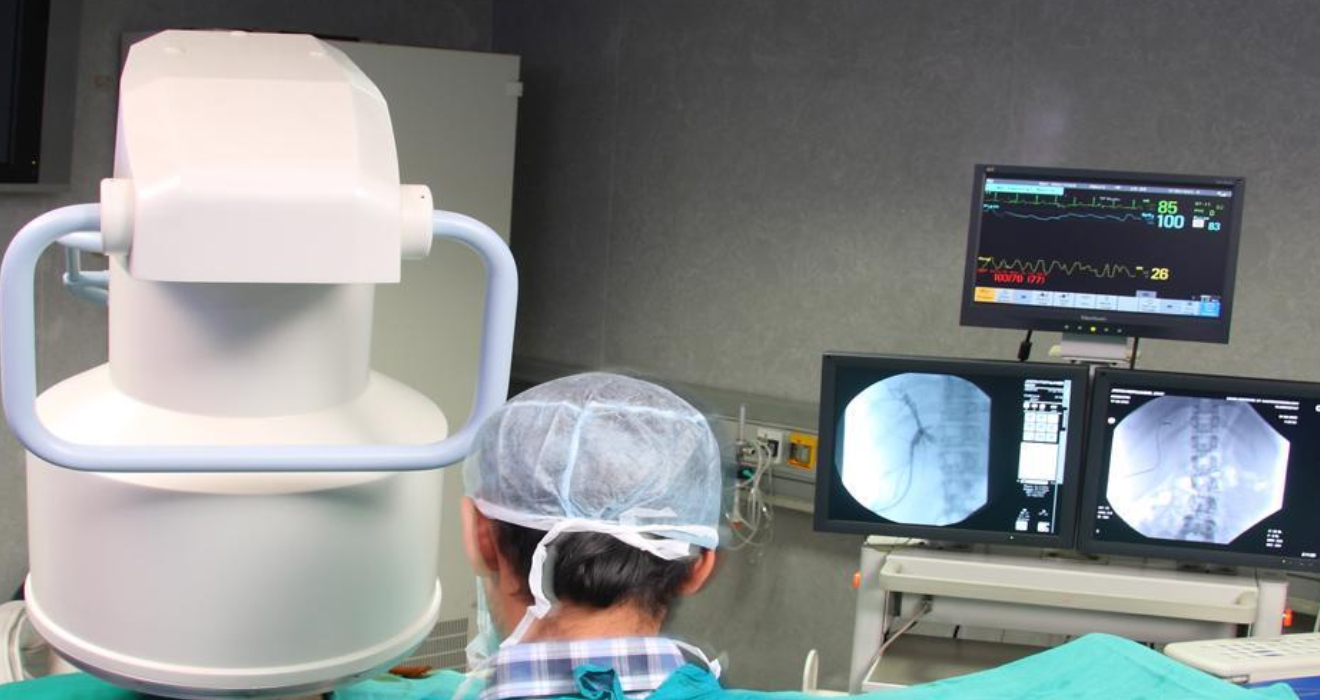
Combining endoscopy and fluoroscopy to diagnose and treat conditions of the bile ducts and pancreatic ducts.
Endoscopic Ultrasound (EUS):
Using endoscopy combined with ultrasound to obtain detailed images of the GI tract and surrounding tissues, and to guide needle biopsies.
Capsule Endoscopy:
Using a swallowed capsule with a camera to visualize the small intestine.
Liver Biopsy:
Obtaining a tissue sample from the liver to diagnose liver diseases.
Medical School: Completion of a Doctor of Medicine (MD) or Doctor of Osteopathic Medicine (DO) degree.
Internal Medicine Residency: Typically a 3-year residency program in internal medicine.
Gastroenterology Fellowship: Additional 2-3 years of specialized training in gastroenterology, focusing on the diagnosis and treatment of GI diseases and disorders.
Clinical Assessment:
Evaluating patients with symptoms of GI disorders through history-taking, physical examinations, and diagnostic tests.
Developing differential diagnoses and creating comprehensive treatment plans.
Interventional Procedures:
Performing a variety of endoscopic procedures to diagnose and treat GI conditions.
Using minimally invasive techniques to manage complex GI issues.
Patient Education:
Providing information and resources to help patients understand their conditions and treatment options.
Counseling patients on lifestyle modifications to improve GI health and prevent disease recurrence.
Research and Innovation:
Participating in clinical research to advance the understanding and treatment of GI diseases.
Staying updated with the latest advancements in gastroenterology to provide evidence-based care.
Gastroenterologists play a crucial role in diagnosing and managing a wide range of digestive disorders, improving patient outcomes, and enhancing the quality of life for those with chronic GI conditions.
Medical Gastroenterology Specialist
A medical gastroenterology specialist, often referred to as a gastroenterologist, is a physician who specializes in diagnosing, treating, and managing diseases and disorders of the digestive system. This includes the esophagus, stomach, intestines, liver, pancreas, gallbladder, and bile ducts. Gastroenterologists are trained to handle a variety of gastrointestinal (GI) conditions, utilizing both non-invasive and invasive techniques to provide comprehensive care.