

Understanding the early signs of urological issues in men: A guide for Ayappakam resident
Introduction
Have you ever wondered why certain health problems affect older men than women. One of such issue is urological health. When men gets older, they become more prevalent to urological disorders like kidney stones, erectile dysfunction etc. Do you know benign prostatic hyperplasia affect 50% of men above the age of 60 in India?. This blog educates you about the symptoms, consequences and preventive measures of Urological problems and provides you suggestions about what you can change in your daily life to overcome certain urological issues.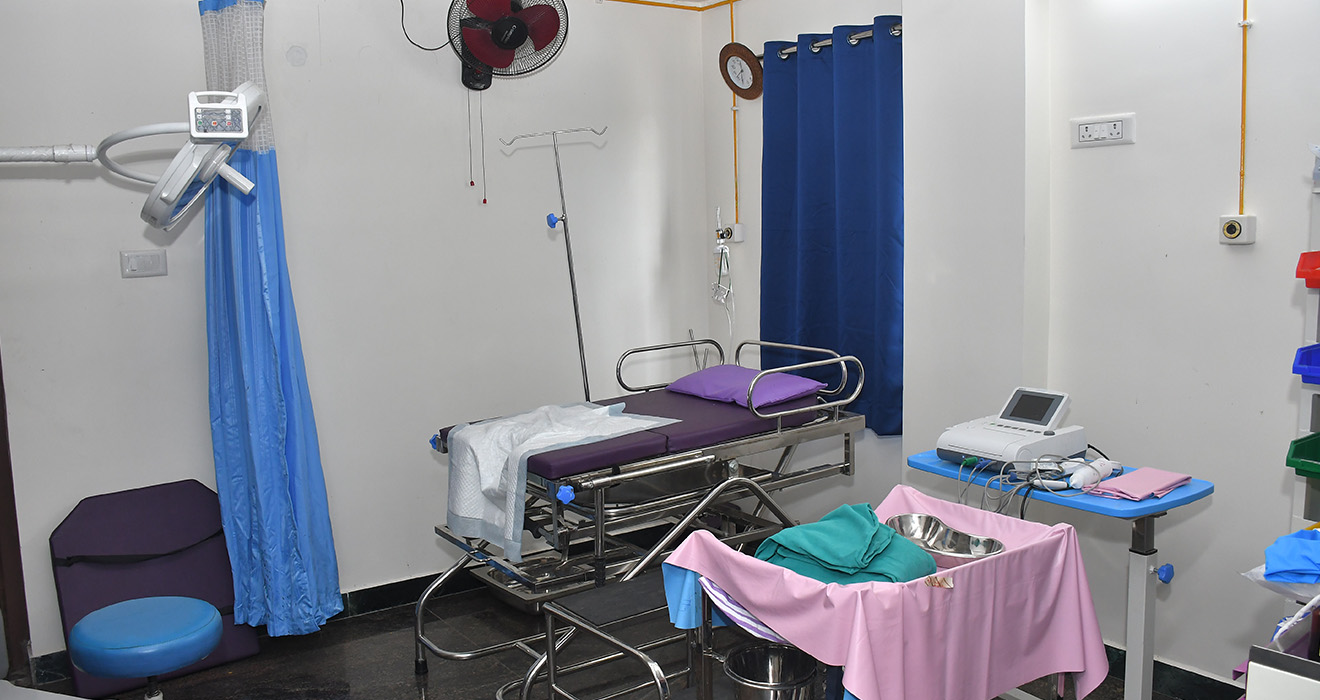
Rising urological help problems in urban and semi urban localities:
Urological problems in men can vary between urban and semi urban localities due to certain factors like Healthcare access, Sanitation, Food habits, Lifestyle etc.
Urban areas:
✓ In urban areas, access to healthcare may be good. But at the same time, pollution in crowded places may cause some urinary problems due to heat and other issues.
✓ Poor dietary habits are becoming a trend in urban areas and this may cause kidney stones and problems like urinary tract infection, erectile disfunction etc.
✓ The urban life may be stressful in men and it may become a reason for bladder related issues and infections in kidneys.
Semi urban areas:
✓ In case of semi urban areas, the access to healthcare is comparatively limited and patients may have to travel long for getting diagnosed.
✓ Poor sanitation and unclean water can contribute to urinary tract infection etc.
Common urological problems that affect men:
Several Urological issues affect men and early awareness of the problem can help in identification and better treatment.
Benign prostatic hyperplasia: This involves the enlargement of prostate gland and it is common in older men. Some of the symptoms include frequent urination, difficulty in urinating and inability to empty the bladder.
Kidney stone: These are hard deposits of minerals and salts that forms inside the kidney. They cause pain while urinating and you may feel extreme pain during urination.
Urinary tract infection: It is an infection in the bladder that causes a burning sensation while urinating. They can also cause discomfort and urgency.
Erectile dysfunction: This refers to the inability to maintain an erection during sexual intercourse. This may impact both physical and psychological health of a men.
Prostatis: It is an inflammation in the prostate gland which can cause pelvic pain and urinary issues.
Listing out the signs of Urological Health Problems when you have to take your next step:
Back pain or groin pain: Usually back pain are associated with muscle strains. But in some cases, it may be a sign of bladder, prostate or kidney problems. Especially issues in the bladder and prostate can cause pain in the groin. Problem in kidneys may cause an aching pain on either side of the spine. So it is important to seek a medical help when you get pain in these areas.
Bloody urine: It is a clear sign of various problems in the kidneys and urinary tract. It is also called as ‘hematouria’ and occurs when your kidneys or urinary tract allows leakage from the blood cells into the urine. It may be caused by UTI, kidney infection, kidney stones, enlarged prostate, kidney disease etc.
Frequent urination: If you are experiencing urgent urination or often urinating, it may be a possible sign of infection or bladder sensitivity. It is important to schedule an appointment with urologist if you have frequent urination.
Pain while urinating: It may be a sign of STI’s or kidney problems. In most of the cases, it can cause urinary tract infection and bladder stones.
Uncontrollable urine leakage: It is one of the main urological problem in both men and women. If you are experiencing uncontrol urine leakage seek medical attention to conform the root of the disease.
Lifestyle changes to implement for Urological Health:
Diet plays an important role in maintaining the urological health. Some of the dietary factors that influence urological health are.
Lessen Salt intake: High salt intake can lead to the formation of kidney stones. Sodium increase calcium level in urine and leads to formation of stones.
Avoid Animal protein: Foods that contain animal protein can increase the risk of kidney stones and causes other urological issues. You can take plant based protein source to avoid formation of stones.
Fibre: A high fibre diet can help prevent constipation which is also linked to urological problems like UTI’s and bladder dysfunction.
Avoid Caffeine and alcohol: Excessive intake of alcohol can irritate the bladder and leads to dehydration. It may then leads to urinary tract infection and bladder issues.
Some of the precautions/Preventive measures of Urological problems:
Physical activity: Regular physical activity help manage weight and, at the same time reduces the risk of stone formation in kidneys. It also helps to manage blood pressure and diabetes.
Avoid smoking: Smoking is a major risk factor for bladder cancer. It releases harmful chemicals in the urinary tract and makes them change into cancerous cells. Quit smoking and protect your urinary system.
Manage weight: It is the major thing which reduces the risk of several urological problems like kidney stones, urinary incontinence etc.
Urological services available in ayappakkam at Sri Ambal healthcare:
Sri Ambal healthcare located in the heart of ayapakkam provides comprehensive and compassionate health care services. They provide quality treatment to patients through their advanced equipments and technology.
There are various services available in Ambal healthcare like
* 24×7 emergency service
* Operation theatre
* Well equipped laboratory
* Master health checkup
* General medicine
There are a number of well experienced doctors in various department like orthopaedics, gynecology, cardiology, urology, general medicine etc.They provide advanced treatments and personalized healthcare at any time.
If you have any urological problems, contact Ambal healthcare for advanced diagnostics and personalized care.