

Beyond Periods: What Every Woman Should Ask Her Gynecologist Before 30
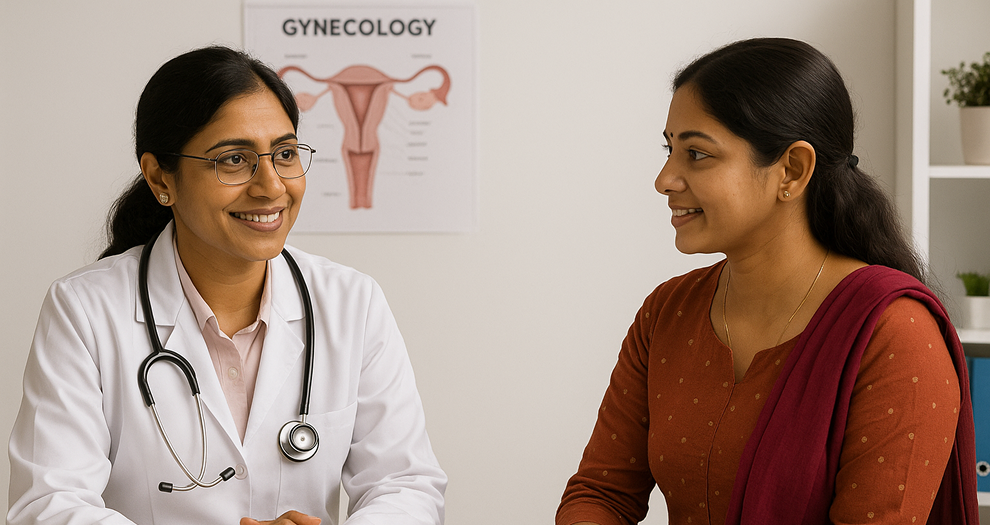
Turning 30 is a milestone, and it’s the perfect time to take charge of your reproductive and overall well-being. Beyond managing monthly periods, there are important women’s health questions every woman should discuss with her gynecologist, such as fertility, contraception, hormonal balance, and preventive screenings. Many women postpone early gynecology care until they’re trying to conceive, but waiting can lead to missed chances for early detection and timely intervention. Regular gynecological checkups are essential for identifying issues like irregular cycles, PCOS, endometriosis, or infections before they become more serious. Screenings such as Pap smears and pelvic exams play a key role in preventing cervical cancer and monitoring reproductive health. Building a relationship with a gynecologist helps create a safe space to talk openly about your body, making sure you’re well-informed and prepared, whether or not pregnancy is on your mind.
Question 1: What’s normal in my menstrual cycle and what’s not?
Answer: A normal menstrual cycle typically lasts between 21 and 35 days, with bleeding lasting 2 to 7 days. Some variation is expected, but consistently very short or long cycles, extremely heavy bleeding, severe cramps, or missed periods may signal underlying issues like hormonal imbalance, fibroids, or PCOS. Tracking your cycle helps identify patterns, and if anything feels irregular or disruptive to daily life, it’s important to consult a gynecologist for proper evaluation and care.
Question 2: Should I be doing routine Pap smears before 30?
Answer: Regardless of sexual activity, we recommend routine Pap smears starting at age 21. This test helps detect early changes in cervical cells that could lead to cervical cancer. If your results are normal, it’s typically done every 3 years. However, if you have risk factors like HPV infection or a weakened immune system, your doctor may suggest more frequent screening. Regular testing is key to early detection and prevention
Question 3: How do lifestyle and diet affect fertility?
A healthy lifestyle supports reproductive health by regulating hormones and improving ovulation. Regular exercise, quality sleep, and stress management help balance the menstrual cycle and enhance fertility in both women and men.
Diet plays a key role in fertility. Nutrient-rich foods like leafy greens, whole grains, fruits, and healthy fats support hormonal balance. Excess sugar, trans fats, and processed foods can disrupt ovulation and may reduce chances of conception over time.
Question 4: Is birth control safe for long-term use?
Yes, most modern birth control methods, including pills, IUDs, and implants, are safe for long-term use. They do not affect future fertility and can even help manage hormonal issues like acne, irregular periods, or PCOS when used under medical supervision.
Question 5: How do I spot early signs of PCOS or fibroids?
Early signs of PCOS include irregular periods, weight gain, acne, and excess facial hair. Fibroids may cause heavy bleeding, pelvic pain, frequent urination, or bloating. If these symptoms persist, a gynecologist can confirm the diagnosis through blood tests or scans.
Regular check-ups at Sri Ambal Healthcare, Hospital in Ayapakkam help prevent long-term health issues
Regular visits to a trusted gynecologist in Ayapakkam, like Sri Ambal Healthcare, can help women stay proactive about their reproductive health. Instead of waiting for serious symptoms, early gynacology care allows timely detection of issues like PCOS, fibroids, and hormonal imbalances. Preventive screenings such as Pap smears and pelvic exams can identify early signs of cervical abnormalities. These check-ups also give women a safe space to ask common women’s health questions about periods, contraception, and fertility.
Additionally, regular consultations ensure better tracking of menstrual health, breast care, and overall wellness. Addressing problems like irregular cycles or pelvic pain early can prevent long-term complications. Sri Ambal health care helps women understand their bodies better and make informed health decisions. Starting regular check-ups in your 20s or early 30s builds a strong foundation for lifelong reproductive and general health.
Healthy Today, Safer Tomorrow: The Importance of Regular Check-Ups
- Detects issues like PCOS, fibroids, and infections before they become serious.
- Offers answers to women’s health questions on periods, fertility, and contraception.
- Enables early gynecology care through routine Pap smears and pelvic exams.
- Helps monitor hormonal balance and menstrual health over time.
- Builds trust with a gynecologist in Ayapakkam for long-term wellness planning.