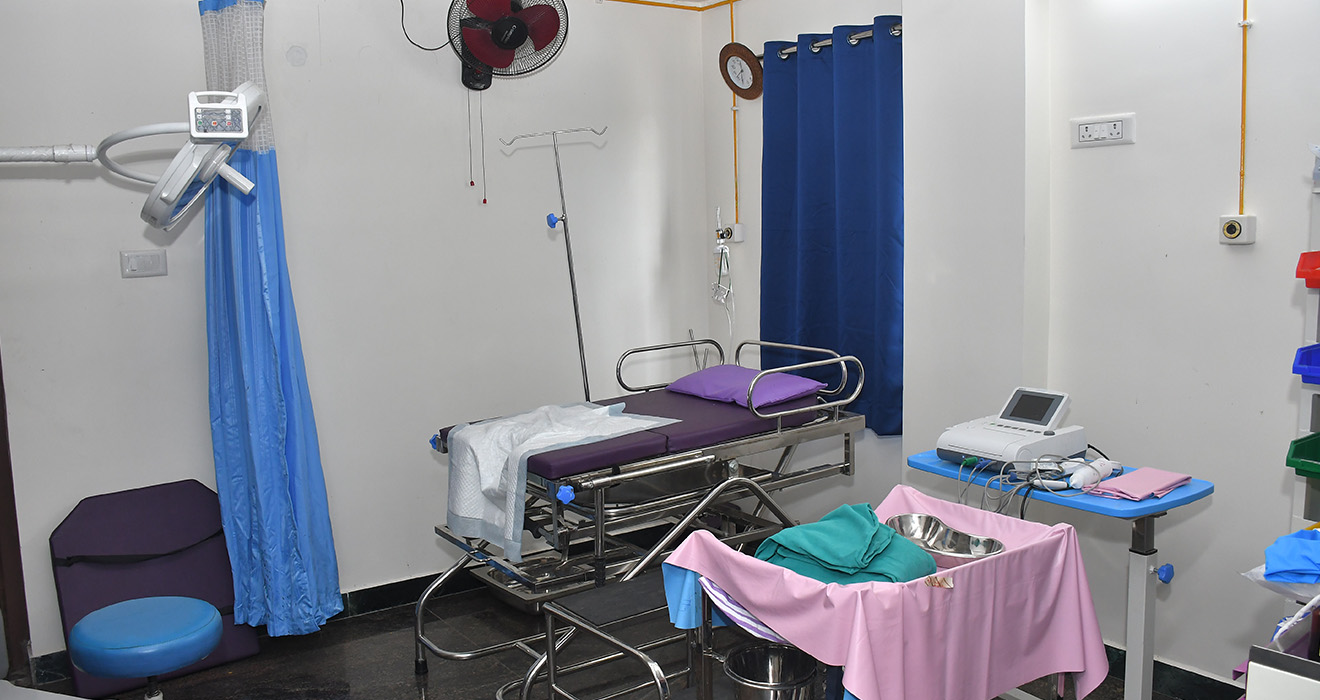
At Sri Ambal Health Care, our Paediatrics Department is dedicated to providing expert care for infants, children, and adolescents. Our experienced child specialists in Ayapakkam ensure your child receives the best possible medical attention in every stage of growth.
With a strong focus on paediatrics, our team is trained to diagnose, treat, and manage a wide range of childhood conditions. From routine checkups and vaccinations to nutrition advice and illness management, we offer comprehensive pediatric care in a safe, friendly environment.
Well-Child Care:
Monitoring growth and development milestones.
Conducting routine check-ups, immunizations, and screenings.
Providing guidance on nutrition, safety, and developmentally appropriate activities.
Acute Care:
Diagnosing and treating common childhood illnesses and infections, such as colds, flu, and ear infections.
Managing acute conditions like asthma exacerbations, allergic reactions, and gastrointestinal issues.
Chronic Disease Management:
Providing ongoing care for chronic conditions such as asthma, diabetes, and epilepsy.
Collaborating with specialists to manage complex medical conditions like cystic fibrosis, congenital heart disease, and genetic disorders.
Preventive Medicine:
Educating families about preventive measures, including immunizations, nutrition, and injury prevention.
Screening for developmental delays, behavioral issues, and mental health concerns.
Neonatology:
Providing specialized care for newborns, including premature infants and those with birth defects or medical complications.
Managing conditions such as jaundice, respiratory distress syndrome, and feeding difficulties in newborns.
Adolescent Medicine:
Addressing the unique medical and psychosocial needs of teenagers.
Providing reproductive health care, including contraception counseling and sexually transmitted infection (STI) screening.
Managing issues related to puberty, mental health, substance abuse, and eating disorders.
Subspecialties:
Pediatric subspecialists focus on specific areas of pediatric care, such as pediatric cardiology, pediatric gastroenterology, pediatric oncology, pediatric neurology, and pediatric pulmonology, among others.
Immunizations: Administering vaccines to prevent childhood diseases such as measles, mumps, rubella, polio, and pertussis.
Ear Piercing: Performing earlobe piercings in older children and teenagers.
Circumcision: Surgical removal of the foreskin from the penis, typically performed in newborn males for cultural or religious reasons.
Lumbar Puncture (Spinal Tap): Collecting cerebrospinal fluid (CSF) from the spinal canal for diagnostic purposes, such as testing for meningitis.
Casting and Splinting: Applying casts or splints to treat fractures, sprains, and other orthopedic injuries.
Laceration Repair: Closing wounds with stitches, staples, or adhesive strips to promote healing and reduce scarring.
Primary Care Provider:
Serving as the primary point of contact for children and their families for routine medical care and preventive services.
Conducting well-child visits, vaccinations, and developmental screenings.
Diagnostician:
Evaluating symptoms, conducting physical examinations, and ordering diagnostic tests to diagnose and treat medical conditions.
Referring patients to pediatric subspecialists for further evaluation and management of complex or specialized conditions.
Treatment Provider:
Prescribing medications, therapies, and other treatments to manage acute and chronic illnesses.
Educating families about treatment options, medication administration, and potential side effects.
Health Educator:
Providing guidance on child-rearing practices, nutrition, safety, and injury prevention.
Counseling families on developmental milestones, behavior management, and age-appropriate activities.
Advocate:
Advocating for the health and well-being of children within families, communities, and healthcare systems.
Addressing social determinants of health, such as access to healthcare, education, housing, and nutrition.
Medical School: Completion of a Doctor of Medicine (MD) or Doctor of Osteopathic Medicine (DO) degree.
Residency: A 3-year pediatric residency program, which includes training in pediatric medicine across various settings, including outpatient clinics, hospitals, and emergency departments.
Fellowship (Optional): Additional specialized training in pediatric subspecialties for those interested in pursuing advanced practice in areas such as neonatology, pediatric cardiology, pediatric oncology, or pediatric gastroenterology.
Pediatricians play a critical role in promoting the health and well-being of children from infancy through adolescence. They provide comprehensive medical care, support families in navigating childhood development and healthcare needs, and advocate for policies and programs that promote the optimal health of children and families.
Paediatrics Specialist
A pediatrics specialist, or pediatrician, is a medical doctor who specializes in the care of infants, children, and adolescents. Pediatricians manage a wide range of health conditions, from minor illnesses to serious diseases, and focus on preventive health measures to ensure the overall well-being and healthy development of their young patients.